The groups into which people are divided as a result of socio-economic inequality. People in class strata share a similar economic situation such as occupation, income and ownership of wealth.
The divisions between the social classes however are quite vague e.g. where the working class end and the middle class begin.
The social class system is regarded as MERITOCRATIC. i.e. where social position is achieved by merit rather than ASCRIBED by birth. However the social class you are born into can have an impact on life chance and therefore movement into a higher class group is minimised. The upper classes in the UK achieve their position via inherited wealth, thus the majority of citizens could never hope to achieve upper class status.

The lives of royalty and the jet setting lifestyle of the rich are portrayed as a glamorous world we can only dream about e.g. Represented in the likes of Hello/Ok etc. This image is contrasted by the use of the upper classes as a source of comedy, the working / middle classes poking fun at their lifestyle, the champagne swigging/polo playing set, the butt of many a joke e.g; They Think It’s all Over. This is often used to set this class apart, as most of us will never enter into this world, therefore ridicule overrides aspiration.
The divisions between the social classes however are quite vague e.g. where the working class end and the middle class begin.
The social class system is regarded as MERITOCRATIC. i.e. where social position is achieved by merit rather than ASCRIBED by birth. However the social class you are born into can have an impact on life chance and therefore movement into a higher class group is minimised. The upper classes in the UK achieve their position via inherited wealth, thus the majority of citizens could never hope to achieve upper class status.
Upper classes (e.g Downton Abbey) - often shown as rich, clever, snobby, very posh. Their wealth is often inherited, ascribed status. They are owners of "the means of production" e.g. land-owners, tilted gentry, aristocracy.
The lives of royalty and the jet setting lifestyle of the rich are portrayed as a glamorous world we can only dream about e.g. Represented in the likes of Hello/Ok etc. This image is contrasted by the use of the upper classes as a source of comedy, the working / middle classes poking fun at their lifestyle, the champagne swigging/polo playing set, the butt of many a joke e.g; They Think It’s all Over. This is often used to set this class apart, as most of us will never enter into this world, therefore ridicule overrides aspiration.
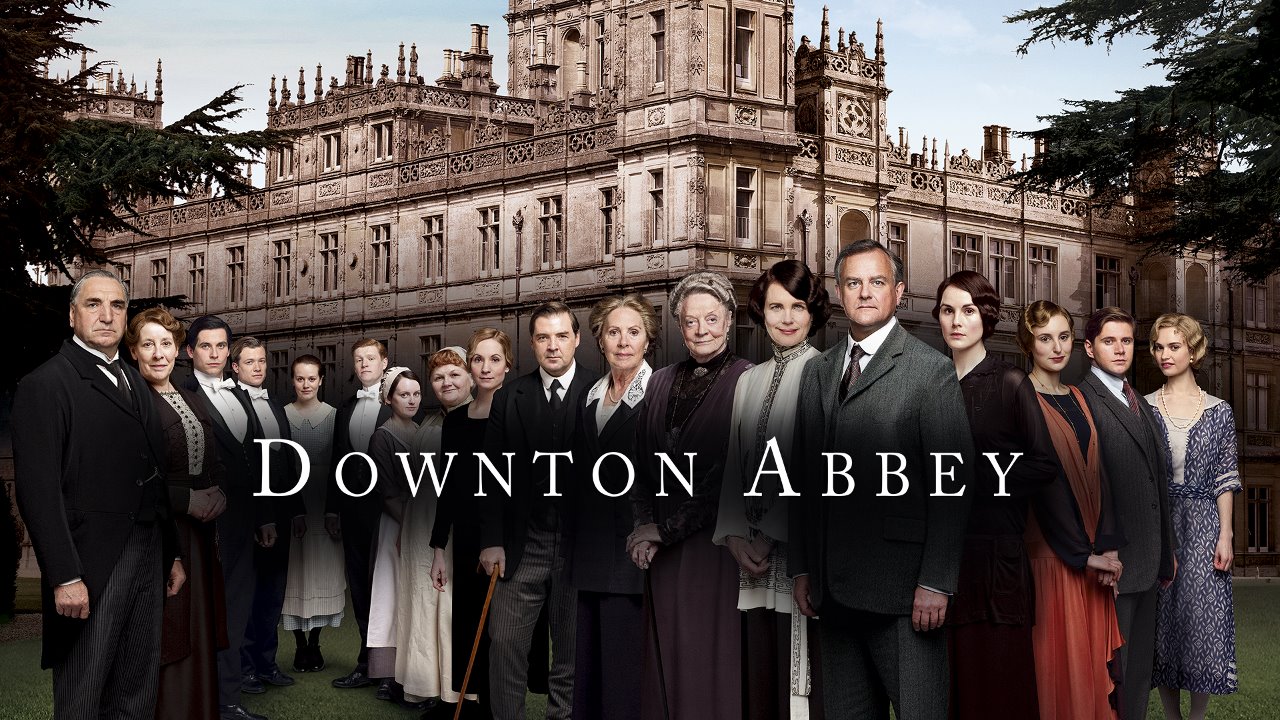
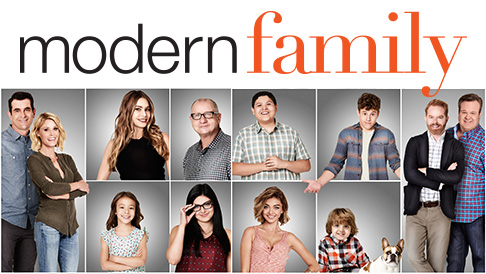
Images of the comfortable, white, middle class nuclear family is one of the most common images in the media e.g. advertising, sit com such as Modern Family. By accumulation we therefore associate this with the ‘norm’.
Middle class deviance e.g. racism, crimes such as insider share dealing/tax evasion is often ignored or presented in less hostile terms than working class crime.
There are many mixed messages about working class life and sub-cultures. On the one hand many ads give a solid, romanticised view, often equated with the North e.g. Hovis/Warburtons/Boddingtons. Characters tend to be associated with qualities we admire e.g. ‘the jack the lad’, the straight talking, quick witted woman etc. On the other hand the working class can be portrayed as course, prone to violence and crime and party to all manner of social problems.

Lower classes (e.g.) - often shown as being criminals, no family values, no community links, bad parents etc. Excluded groups, usually due to poverty and lack of employment. Often presented by the media as deviant – addicts/spongers etc.
The media tend to reinforce the popular prejudice that the poor are work-shy spongers living off the Government, some successful products have used this successfully e.g The Royle family. These stereotypes have a long history extending back to the Victorian era, where novels and images represented the underclass as a danger to society and its moral fibre.
You may notice that in many tv shows, people of different classes don't mix. And when they are shown together, they are often shown as clashing and being very different.
What to Consider
- Can I identify what class characters are?
- Are people from different classes shown as having different interests, personalities, attitudes, behaviours?
- If so, how?• Is their class represented as being important in their life?
- Are people from particular classes portrayed as being better, more powerful, than others?
- Are people from particular classes portrayed as being abnormal /weaker/ more pathetic than others?
- How do other characters in the clip treat the characters from different classes?
- What is the message the clip is trying to portray about class?

No comments:
Post a Comment